The Case For A VIN Check Before Importing an American Towing Unit
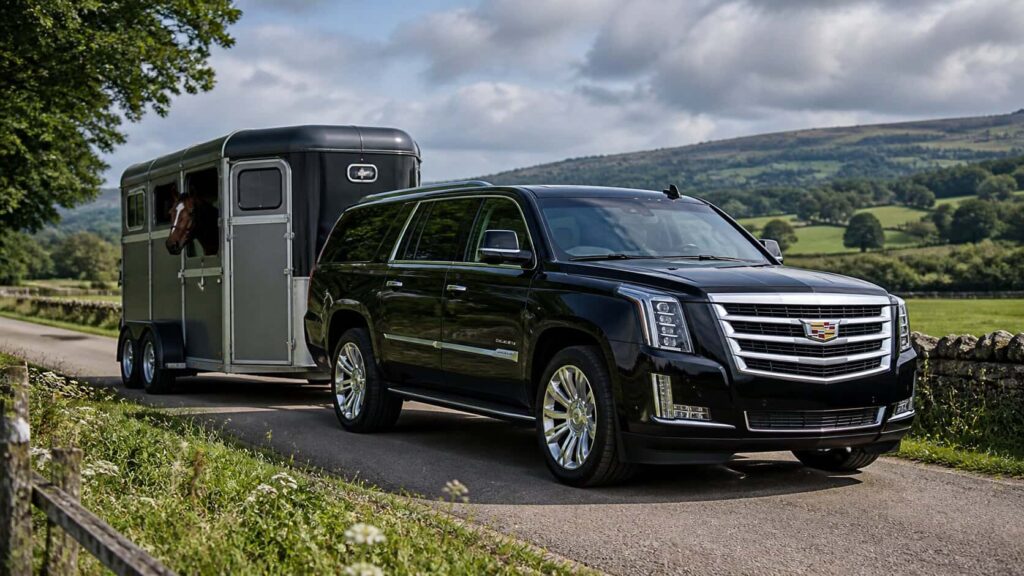
An imported Cadillac Escalade has found its way onto the British market niche traditionally filled by sport-horses. Yards looking for a towing unit to haul horses during long-distance hunts, Channel ferry crossings, or sport-horse contests turn to a second-hand Escalade or SRX, which boasts impressive 6,800 pounds tow rating, a powerful 6.2 litre V8 engine, and air suspension that smooths out the bumpy ride through motorway expansion slots. On paper, everything seems to add up. Where the calculation breaks down is when the import trader puts the keys on the table, and the prospective owner discovers they will have to sign a purchase agreement based on an extensive three-page document for a vehicle that already lived two lives in two nations.
It is in this type of purchase that provenance counts most. The Escalade standing in the yard parking lot started its life as an item on a dealer shelf in the United States, changed ownership at least once, passed through an auction, made the Channel passage to arrive in England ready for import papers and a gooseneck coupling installation. At the final sale, the buyer has the export title, the MOT certificate, and an American service record in hand; what they do not possess is documentation covering the decade since manufacture.
Sources of Supply in the American Market
There is good news in the American used market: there are plenty of expensive luxury SUVs with high mileage and a low price tag. A 2017 Cadillac Escalade ESV with 110,000 miles on the clock retails at Houston dealership for $28,000. After landed import taxes, duties, and registration, the British importer pays about £36,000. For a yard intending to spend £55,000 on a similarly configured Range Rover Sport, a savings of almost £20,000 would cover the conversion to the proper coupling system, MOT test, and the year’s insurance.
The problem is that the American import channel is heterogeneous. Texas auctions specialise in flood damage sales in the hurricane-prone region of the southern states. Dealerships in Florida deal mainly in titles branded salvage following repairs done by salvage rebuilders. Fleet clearance in California is occasionally tainted by CARB emission violations known to the exporter but never required to declare. The Escalade coming to Felixstowe port might be a perfectly good trade-in, or a lemon law buy-back on the verge of being subject to a massive class action lawsuit.
Interpreting a VIN Report
Since 1981, every automobile manufacturer uses the same format for the Vehicle Identification Number or VIN. The seven characters from position one to three indicate the make and origin of the car. Four to eight characters cover the body, transmission, and engine codes. Character 10 contains information about model year; character 11 describes the assembly plant. The remaining six characters indicate the sequential serial number assigned to the car according to the date it was manufactured.
However, interpreting these digits without specialist software tells only part of the story. More detailed information is contained in the database fed by National Motor Vehicle Title Information System (NMVTIS), National Insurance Crime Bureau (NICB), and individual State Departments of Motor Vehicles. Every yard contemplating an import purchase must first use an Cadillac VIN decoder online to ensure they are buying exactly what they want before agreeing on the price. The result of this check discloses flood or salvage status never mentioned by the exporter, mileage discrepancy between the instrument panel and the most recent odometer update, and outstanding recalls never verified by MOT.
Typical Issues In Imported Vehicles
Three scenarios emerge repeatedly. The first is flood damage caused by hurricane rains such as Harvey, Ian, or Helene. In this case, the salvage title is usually ‘washed’ through a State with less rigid disclosure requirements. The second is mileage discrepancy. If the odometer reports 95,000 miles at importation while the VIN decoder reveals the actual figure to be 130,000 miles at three previous registrations. The third scenario concerns incomplete recall completion, particularly those related to the ignition switch and airbags of GM models produced between 2014 and 2017.
A clean VIN report does not guarantee the absence of every potential issue. Nevertheless, it helps uncover these particular problems at the only opportunity where it is still relatively inexpensive to walk away from a bad deal.
Recommended Pre-Purchase Procedure
In order to avoid unnecessary headaches, the importer who plans to use an American-made towing vehicle benefits most from the VIN check being performed first. Requesting this number from the supplier is fully legitimate, and the legitimate trader has no problem with this request. Checking the VIN number using a free decoder takes about five minutes and establishes whether the vehicle is what it claims to be or not.
Even if the yard already has an imported Escalade or SRX acquired in England and not the United States, it would be advisable to check the VIN number retrospectively. Five years of use could have uncovered recalls, flood damage, mileage discrepancy or anything else the British paperwork did not mention before the MOT certificate became available. In any case, checking whether the necessary recalls were completed justifies this effort, especially for vehicles used for high load transport. The insurance broker who quotes a horsebox conversion price would check for US salvage flags before issuing a quotation.
The result of such procedure tends to be positive, as the cars passing this test are usually the correct vehicles for the purpose. Those failing the test could cause a much more serious failure at some future point in time and with horses loaded on board. Spending half an hour checking the chassis number and interpreting the results of an online decoding tool turns out to be much cheaper than finding out about a salvage designation only at the MOT stage.