
Introduction
Choosing the right horse transport vehicle is one of the most important decisions for any horse owner. Whether you are traveling to competitions, moving horses between locations, or visiting a veterinary clinic, the vehicle you choose directly affects safety, comfort, and reliability.
This guide will walk you through everything you need to know before buying a horse transport vehicle, including key differences between options, essential safety features, and practical tips that experienced owners rely on.
Horse Trailer vs Horsebox: What Is the Difference?
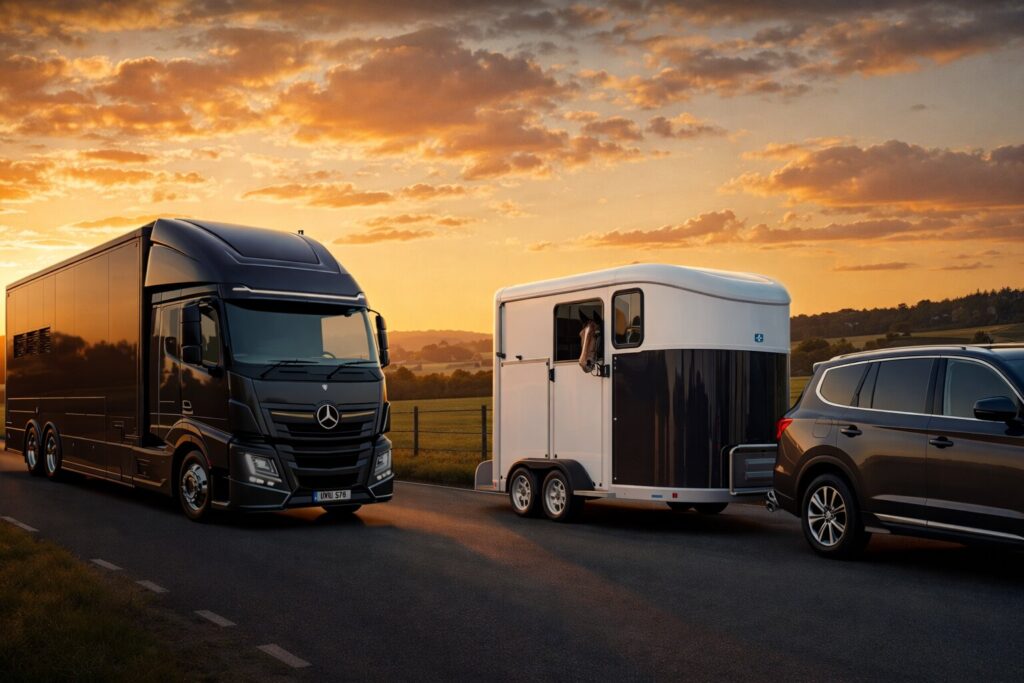
Before making a purchase, it is important to understand the two main types of horse transport vehicles.
Horse Trailers
Horse trailers are towed behind another vehicle, typically an SUV or pickup truck. They are generally more affordable and easier to store.
Advantages:
- Lower initial cost
- Can be detached when not in use
- Flexible for occasional transport
Disadvantages:
- Requires a suitable towing vehicle
- Less stability compared to larger vehicles
- Limited additional features
Horseboxes
Horseboxes are self-contained vehicles designed specifically for transporting horses. They range from compact two-horse models to large luxury builds.
Advantages:
- Greater stability on the road
- More space and comfort for horses
- Often include storage or living areas
Disadvantages:
- Higher purchase price
- More expensive maintenance
- Larger size requires confident driving
Key Safety Features to Look For
Safety should always be your top priority when selecting a horse transport vehicle.
Strong and Durable Flooring
The floor is one of the most critical components. It must be able to support the weight of the horse without flexing or weakening over time. Materials such as reinforced aluminum or treated hardwood are commonly used.
Non-Slip Surfaces
Both the floor and ramp should provide good traction. Slippery surfaces can lead to injuries during loading or transit.
Secure Partitions
Partitions help stabilize the horse while the vehicle is moving. They should be adjustable and padded to prevent injury.
Reliable Braking System
A high-quality braking system is essential, especially when transporting live animals. For trailers, ensure that the braking system is properly integrated with the towing vehicle.
Ventilation and Airflow
Proper airflow keeps horses calm and prevents overheating. Look for multiple ventilation points or built-in airflow systems.
Size and Space Considerations
Not all horses are the same size, and the transport vehicle must match your specific needs.
Headroom
The horse should be able to stand comfortably without touching the roof. Insufficient headroom can cause stress and discomfort.
Width and Length
The vehicle should provide enough space for the horse to balance naturally. Too little space restricts movement, while too much space can make it harder for the horse to stabilize itself.
Number of Horses
Consider how many horses you plan to transport regularly. Buying a slightly larger vehicle can be a good long-term investment if your needs are likely to grow.
New vs Used Vehicles
Another important decision is whether to buy a new or used horse transport vehicle.
Buying New
New vehicles offer the latest safety features, modern design, and full warranty coverage.
Pros:
- No previous wear or hidden issues
- Customization options
- Longer lifespan
Cons:
- Higher cost
- Depreciation over time
Buying Used
Used vehicles can offer excellent value if carefully inspected.
Pros:
- Lower purchase price
- More options within budget
Cons:
- Potential hidden problems
- Limited warranty
- Requires thorough inspection
What to Check Before Buying
Before finalizing your purchase, take time to inspect the vehicle carefully.
Structural Integrity
Check the frame, walls, and roof for any signs of damage or corrosion.
Floor Condition
Lift mats if possible and inspect the floor underneath. Look for soft spots, cracks, or moisture damage.
Tires and Suspension
Ensure that tires are in good condition and that the suspension system can handle the load.
Doors and Ramps
All moving parts should operate smoothly and securely. A faulty ramp can quickly become a safety hazard.
Electrical Systems
Check lights, indicators, and any onboard systems such as cameras or ventilation fans.
Cost Considerations
Buying a horse transport vehicle involves more than just the initial purchase price.
Ongoing Costs Include:
- Fuel consumption
- Insurance
- Maintenance and repairs
- Storage and parking
It is important to factor these costs into your budget to avoid unexpected expenses later.
Comfort and Practical Features
While safety is the priority, comfort features can significantly improve the experience for both horse and owner.
Interior Padding
Soft padding helps prevent injuries during movement.
Storage Space
Additional compartments for equipment, feed, and tack can make travel more convenient.
Cameras and Monitoring Systems
Modern vehicles often include cameras that allow you to monitor the horse during transport.
Driving and Handling
The driving experience is often overlooked but extremely important.
Horseboxes tend to provide better stability and control, especially at higher speeds. Trailers require more skill, particularly when reversing or navigating tight spaces.
If you are not experienced with towing or driving larger vehicles, consider taking a short training course.
Final Thoughts
Choosing the right horse transport vehicle is not just about price or appearance. It is about ensuring the safety, comfort, and well-being of your horse every time you travel.
By carefully considering your needs, inspecting potential options, and prioritizing safety features, you can make a confident and informed decision.
A well-chosen vehicle will not only protect your horse but also provide peace of mind for years to come.