
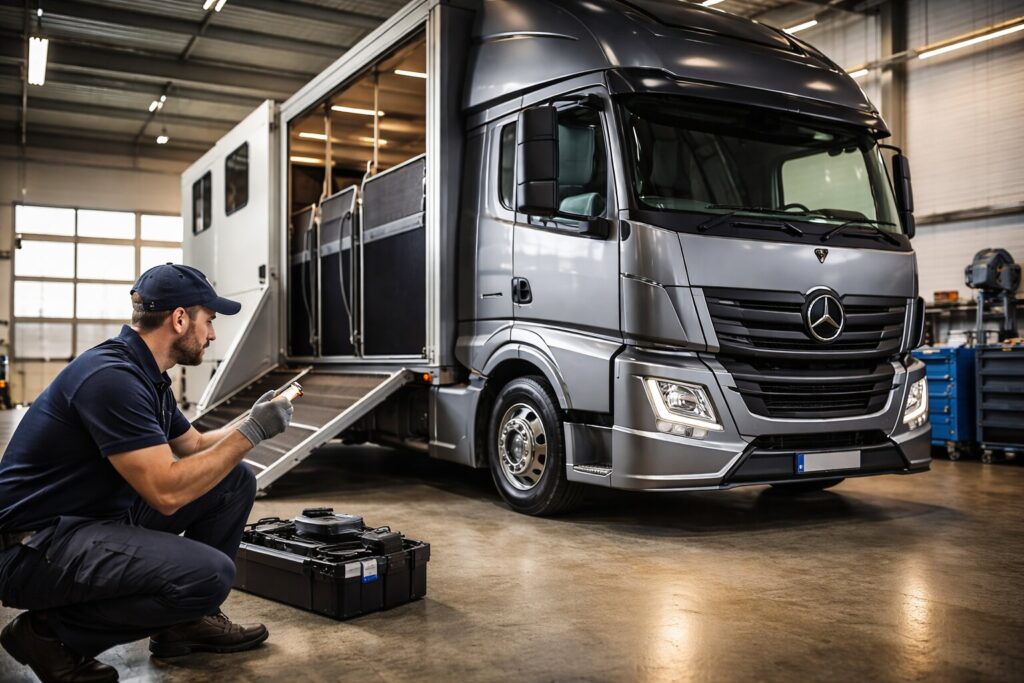
Regular maintenance of horse transport vehicles is essential for ensuring safety and reliability. Unlike standard vehicles, horseboxes and trailers are subjected to unique stresses due to the movement and weight of the animals inside. These stresses can accelerate wear and tear, making routine inspections and preventative care not just important, but absolutely necessary.
One of the most critical components of any horse transport vehicle is the flooring. The floor supports not only the weight of the horse but also absorbs constant shifting and pressure during travel. Over time, materials such as wood or composite panels can weaken due to moisture, dirt buildup, and general usage. Even if the surface appears intact, internal damage may already be present. Regularly lifting mats and inspecting the structure underneath can help detect early signs of rot or corrosion. Ignoring this area can lead to catastrophic failure, putting both the horse and driver at serious risk.
Another key area that should never be overlooked is the braking system. Horse transport vehicles often carry significant weight, and safe stopping depends on a properly functioning brake system. Brake pads, discs, and hydraulic components must be checked frequently to ensure optimal performance. In trailers, the braking mechanism should also be tested to confirm that it engages smoothly with the towing vehicle. Any delay or inconsistency in braking can result in dangerous situations, especially during emergency stops.
Ventilation is equally important for maintaining a safe environment inside the vehicle. Horses are highly sensitive to temperature and air quality. Poor ventilation can lead to overheating, respiratory issues, and increased stress levels. Vents, windows, and airflow systems should be kept clean and unobstructed. In modern horseboxes, additional ventilation systems such as fans may require periodic servicing to ensure they function correctly. Proper airflow not only improves comfort but also contributes to the overall well-being of the horse during transport.
Tires and suspension systems also play a vital role in vehicle safety. Tires should be checked regularly for proper inflation, tread wear, and any signs of damage. Uneven wear can indicate alignment issues or excessive load strain. Suspension components must be in good condition to absorb road impacts and provide a smooth ride. A poorly maintained suspension system can cause excessive movement inside the vehicle, making it difficult for the horse to maintain balance.
Electrical systems are another area that often goes unnoticed until a problem arises. Lights, indicators, and internal lighting must be fully operational to ensure visibility and compliance with road regulations. Faulty wiring or broken lights can lead to accidents or legal issues. Additionally, interior lighting helps during loading and unloading, particularly in low-light conditions.
Cleanliness is an essential but sometimes underestimated aspect of maintenance. After each journey, the vehicle should be thoroughly cleaned to remove dirt, manure, and debris. This not only improves hygiene but also prevents the buildup of moisture that can damage structural components. Regular cleaning also makes it easier to spot potential issues, such as cracks, rust, or loose fittings.
Doors, ramps, and locking mechanisms must also be inspected regularly. These components are used frequently and are subject to heavy wear. A faulty ramp or door can pose serious safety risks during loading and unloading. Hinges should be lubricated, and all locks should function securely. Ensuring these parts are in good condition helps create a safe and controlled environment for both the horse and handler.
In addition to physical components, it is important to consider the overall condition of the vehicle’s engine and mechanical systems. Regular servicing, including oil changes, filter replacements, and system diagnostics, ensures that the vehicle remains reliable. A breakdown during transport can be highly stressful and potentially dangerous for the horse.
Seasonal maintenance should also be part of your routine. Weather conditions can have a significant impact on vehicle performance. In colder months, it is important to check battery condition, antifreeze levels, and tire suitability. In warmer months, cooling systems and ventilation should be prioritized to prevent overheating.
Documentation and inspections should not be ignored. Keeping a record of maintenance activities helps track the condition of the vehicle and ensures that no important checks are missed. Professional inspections at regular intervals can identify issues that may not be visible during routine checks.
Ultimately, maintaining a horse transport vehicle is about more than just keeping it operational. It is about ensuring the safety, comfort, and well-being of the animals being transported. By paying attention to key areas such as flooring, brakes, ventilation, and overall vehicle condition, you can significantly reduce the risk of accidents and provide a better travel experience for your horse.
Consistent maintenance is not an expense but an investment in safety and reliability. A well-maintained vehicle not only performs better but also retains its value over time. Whether you are transporting horses occasionally or on a regular basis, taking the time to care for your vehicle will always pay off in the long run.