
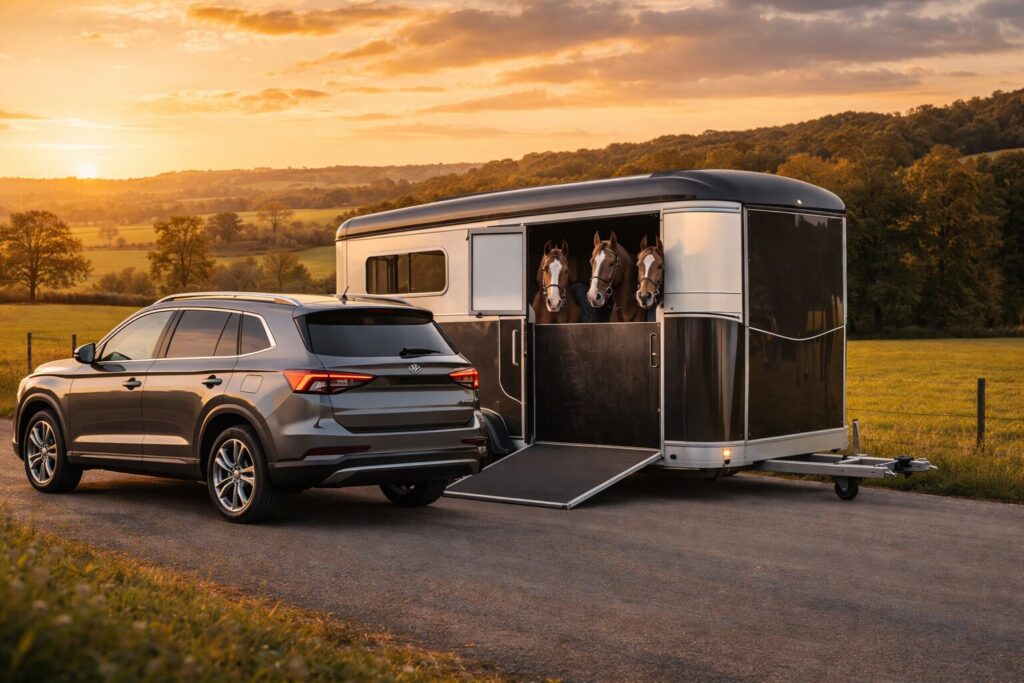
Choosing a horse transport vehicle is a major decision that directly impacts the safety, comfort, and performance of your horse. Whether you are transporting horses to competitions, training facilities, or veterinary appointments, the right vehicle makes all the difference. With so many options available, it is essential to understand what truly matters before making a purchase.
This guide will walk you through the key factors to consider, helping you make a confident and informed decision.
Understanding Your Transport Needs
Before looking at specific vehicles, start by defining how you plan to use it. The type of transport you need depends on several factors, including frequency of travel, distance, number of horses, and budget.
If you travel occasionally for short distances, a simple horse trailer may be sufficient. However, if you regularly attend competitions or travel long distances, a horsebox offers greater comfort and convenience. Professional riders and trainers often require vehicles with additional storage, living space, and advanced safety features.
Think about your long-term needs as well. Investing in a slightly larger or better-equipped vehicle now can save money and hassle in the future.
Horse Trailer vs Horsebox
One of the first decisions you will face is choosing between a horse trailer and a horsebox.
Horse trailers are generally more affordable and flexible. They can be attached to a towing vehicle and are easier to store when not in use. However, they require a suitable towing vehicle and a driver who is confident handling a trailer. Maneuvering and reversing can be challenging for beginners.
Horseboxes are purpose-built vehicles designed specifically for transporting horses. They offer improved stability, easier handling, and often include additional features such as tack storage, seating areas, and even sleeping quarters. While more expensive, they provide a higher level of comfort and safety, especially for longer journeys.
The right choice depends on your experience, budget, and how often you plan to travel.
Key Safety Features to Look For
Safety should always be your top priority when choosing a horse transport vehicle. A well-designed vehicle minimizes the risk of injury and reduces stress for the horse.
Start by inspecting the flooring. It must be strong, non-slip, and resistant to moisture. Weak or damaged flooring is one of the most common causes of accidents in horse transport.
Ventilation is equally important. Proper airflow helps regulate temperature and prevents overheating, especially during warm weather or long journeys.
Partitions should be adjustable and secure, allowing horses to balance comfortably while limiting excessive movement. Breast bars and rear bars must be strong and correctly positioned.
Braking systems are critical, particularly for trailers. Ensure that the vehicle has a reliable braking mechanism that responds smoothly and consistently.
Finally, check the ramp design. It should be easy to operate, stable, and covered with a non-slip surface to ensure safe loading and unloading.
Size and Space Considerations
The size of the vehicle must match the size and number of horses you intend to transport. Horses need enough room to stand naturally, balance themselves, and adjust their position during travel.
Insufficient space can cause discomfort and stress, while excessive space can make it harder for the horse to maintain stability. Ideally, the vehicle should provide a secure yet comfortable environment.
Height is another important factor. Taller horses require additional headroom to prevent injury and ensure comfort. Always check internal dimensions carefully before making a purchase.
New vs Used Vehicles
Another important decision is whether to buy a new or used vehicle.
New vehicles come with the latest safety features, modern designs, and manufacturer warranties. They are typically more reliable and require less immediate maintenance. However, they come at a higher price.
Used vehicles can be a cost-effective option, but they require careful inspection. Look for signs of wear, especially in critical areas such as flooring, suspension, and braking systems. If possible, have the vehicle inspected by a professional before buying.
A well-maintained used vehicle can offer excellent value, but cutting corners on safety is never worth the risk.
Running Costs and Maintenance
Owning a horse transport vehicle involves ongoing costs beyond the initial purchase price. These include fuel, insurance, maintenance, and repairs.
Horseboxes generally have higher running costs due to their size and complexity. However, they may offer greater convenience and efficiency for frequent use.
Regular maintenance is essential to keep the vehicle in safe working condition. This includes checking tires, brakes, flooring, and ventilation systems. Ignoring maintenance can lead to costly repairs and potential safety hazards.
When choosing a vehicle, consider not only the purchase price but also the long-term cost of ownership.
Comfort for Both Horse and Driver
A good transport vehicle should provide comfort for both the horse and the driver.
For the horse, this means a stable ride, proper ventilation, and a well-designed interior layout. Features such as padding, smooth suspension, and quiet operation can significantly reduce stress during travel.
For the driver, comfort includes easy handling, good visibility, and a well-designed cabin. Long journeys can be tiring, so features like comfortable seating and intuitive controls make a big difference.
Balancing comfort for both horse and driver leads to safer and more enjoyable journeys.
Legal Requirements and Licensing
Before purchasing a horse transport vehicle, it is important to understand the legal requirements in your area.
This may include licensing, weight limits, and safety regulations. Some vehicles require a specific driving license, especially larger horseboxes.
Insurance is also essential. Make sure your policy covers both the vehicle and the transportation of animals.
Understanding these requirements in advance helps you avoid unexpected issues and ensures that you remain compliant with local laws.
Final Tips Before You Buy
Before making a final decision, take the time to inspect the vehicle thoroughly. If possible, test drive it and evaluate how it handles on the road.
Check all safety features, examine the interior, and ensure that everything is in proper working condition. Do not rush the process, as this is a long-term investment.
It is also helpful to seek advice from experienced horse owners or professionals. Their insights can help you avoid common mistakes and make a better choice.
Conclusion
Choosing the right horse transport vehicle is about more than just price or appearance. It requires careful consideration of safety, comfort, reliability, and long-term costs.
By understanding your needs, comparing available options, and focusing on essential features, you can select a vehicle that ensures safe and efficient transport for your horse.
A well-chosen transport vehicle not only protects your horse but also gives you confidence every time you travel.