
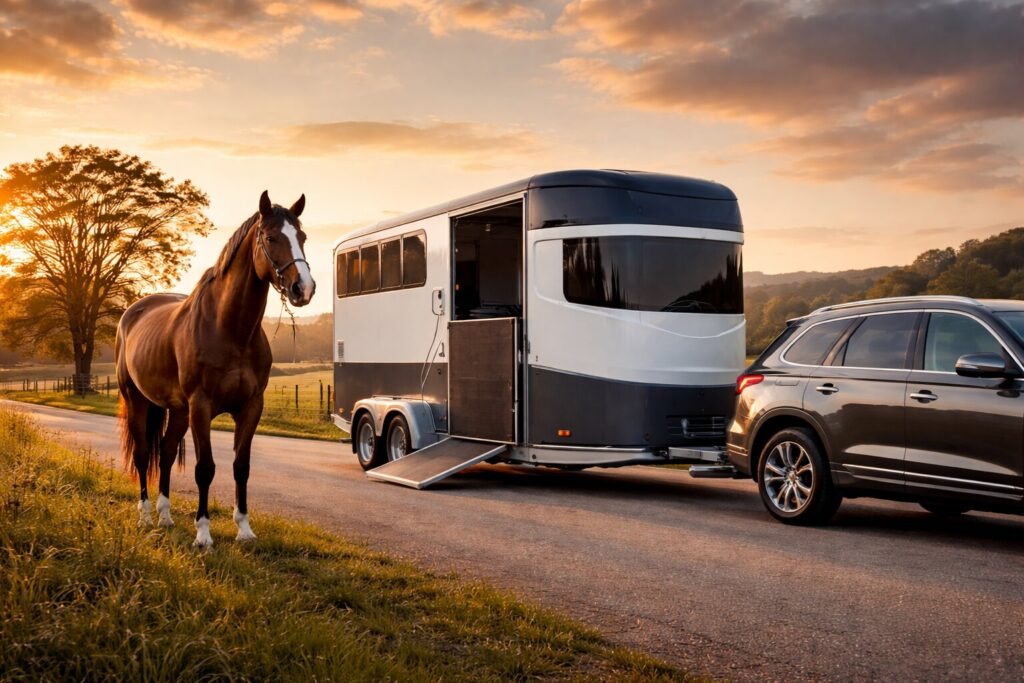
Selecting the right vehicle for horse transport is one of the most important decisions for any horse owner. The choice between a trailer and a horsebox depends on several factors, including budget, frequency of use, and personal preferences.
Understanding the Two Main Options
Before making any decision, it is essential to understand the fundamental differences between horse trailers and horseboxes.
Horse Trailers
Horse trailers are typically more affordable and flexible. They can be attached to an existing vehicle and are ideal for occasional use. Many owners prefer trailers because they are easier to store and do not require maintaining a separate engine.
However, trailers demand a capable towing vehicle and a driver experienced in handling additional length and weight. Reversing, parking, and navigating tight roads can be challenging without proper practice.
Horseboxes
Horseboxes are self-contained transport vehicles designed specifically for equestrian travel. They often provide better stability, smoother suspension, and additional features such as storage compartments and living spaces.
For frequent travel or long-distance journeys, a horsebox is often the preferred option. While the initial cost is higher, the convenience and comfort can justify the investment over time.
Safety Should Always Come First
Safety is the most critical factor when choosing a horse transport vehicle. Even the most advanced features are meaningless if the vehicle cannot guarantee a secure environment for the horse.
Structural Integrity
Check the condition of the frame, flooring, and partitions. Weak flooring is one of the most dangerous issues in older vehicles. Aluminum or reinforced composite floors are often more durable than traditional wood.
Ventilation and Temperature Control
Horses are highly sensitive to temperature changes. Proper airflow is essential to prevent overheating or respiratory issues. Look for vehicles with adjustable vents and well-designed airflow systems.
Braking and Stability
Modern braking systems, including anti-lock braking (ABS) and trailer stability assist, can significantly improve safety. A stable ride reduces stress for the horse and minimizes the risk of injury.
Choosing the Right Size and Layout
Not all horses are the same, and neither are transport vehicles. Selecting the correct size and layout is crucial for comfort and safety.
Space and Headroom
The horse should have enough space to stand naturally and balance during transit. Insufficient headroom can cause discomfort, especially for taller breeds.
Partition Design
Partitions should be adjustable and secure. They must prevent excessive movement without restricting the horse’s natural stance.
Orientation Options
Some vehicles allow horses to travel forward-facing, backward-facing, or at an angle. Research shows that many horses prefer rear-facing positions, as it allows them to balance more effectively during braking.
Budget vs Long-Term Value
While cost is an important consideration, it should not be the only factor influencing your decision.
Initial Purchase Cost
Trailers are generally more affordable, making them attractive for new horse owners. Horseboxes require a larger upfront investment but offer more features.
Maintenance Costs
Horseboxes involve engine maintenance, insurance, and fuel costs. Trailers, while simpler, still require regular checks for tires, brakes, and structural components.
Resale Value
A well-maintained vehicle can retain significant value over time. Investing in quality from the beginning often results in better long-term returns.
Ease of Use and Practicality
A vehicle may look perfect on paper but still be impractical in real-world use.
Loading and Unloading
Look for ramps that are easy to operate and provide good grip. Some modern vehicles offer hydraulic ramps, which reduce effort and improve safety.
Storage and Accessibility
Storage space for equipment, tack, and supplies can make a big difference, especially during competitions or long trips.
Driving Comfort
If you plan to travel frequently, driver comfort is essential. Features such as ergonomic seating, visibility, and ease of handling can reduce fatigue.
Horse Comfort and Behavior
A calm and comfortable horse is a safer horse. The design of the vehicle plays a significant role in how the animal experiences travel.
Suspension Quality
A smooth ride reduces stress and fatigue. Poor suspension can cause discomfort and increase the risk of injury.
Noise Reduction
Loud or unstable vehicles can make horses anxious. Insulated walls and secure fittings help minimize noise.
Lighting
Natural lighting or well-placed interior lights can help horses feel more relaxed during loading and transport.
Considering Your Travel Needs
Your typical travel routine should heavily influence your decision.
- Short trips: A trailer may be sufficient
- Long-distance travel: A horsebox provides greater comfort
- Frequent competitions: Additional storage and living space can be beneficial
Planning ahead ensures that your vehicle meets both current and future needs.
Final Thoughts
Choosing the right horse transport vehicle is not just about convenience — it is about safety, comfort, and reliability. By carefully evaluating your needs, budget, and the features available, you can make a decision that benefits both you and your horse.
Whether you choose a trailer or a horsebox, the key is to prioritize quality and ensure that the vehicle is properly maintained. A well-chosen transport solution provides peace of mind and allows you to focus on what truly matters — the wellbeing of your horse and the success of your journey.